


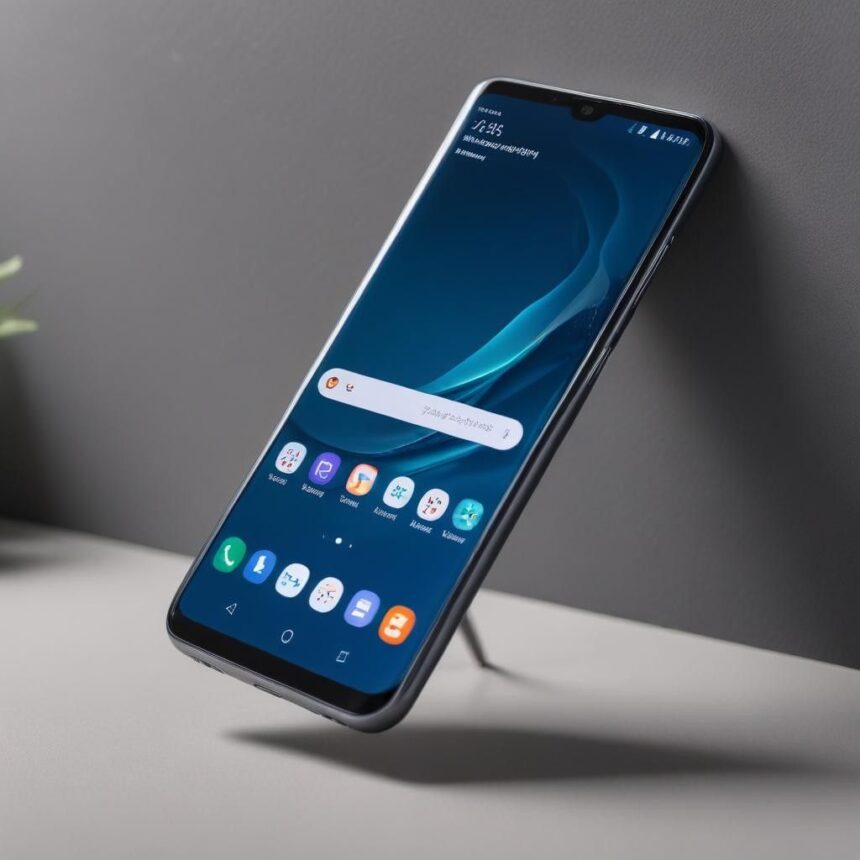
Analysis of Samsung One UI 8.5 and the AI-Driven Ecosystem Shift
The release of the One UI 8.5 beta for the Samsung Galaxy S25 marks a strategic evolution in mobile architecture. By shifting from static hardware cycles to continuous software-defined feature drops, Samsung is reinforcing its position against competitors by prioritizing on-device AI efficiency and long-term user productivity.
The Strategic Shift to Software-Defined Hardware
In the current global market, the value proposition of flagship devices has transitioned from raw physical specifications to the agility of the software layer. Modular software updates ensure that the S25 remains relevant despite the slowing of traditional hardware innovation. This approach serves as a defensive moat, protecting market share in the US and Europe by providing “Power Users” with advanced automation tools that evolve over the device’s lifecycle.
Key Market Impacts
- NPU Performance Benchmarking: The industry is moving toward measuring device viability through Tokens Per Second (TPS) rather than traditional clock speeds. This shifts the supply chain focus toward NPU optimization.
- Privacy and Data Sovereignty: By prioritizing on-device processing, Samsung aligns with stringent EU/UK data regulations. This creates a competitive advantage for users who are increasingly sensitive to cloud-based data exposure.
- The Beta Lifecycle: The integration of beta testing into the consumer experience creates a co-development environment. While this fosters loyalty, it requires a robust, scalable backend architecture to manage frequent feature deployments without compromising system stability.
Q: Does the One UI 8.5 beta make the S25 a better long-term investment?
A: Yes. Because the device receives functional upgrades after the initial purchase, the Total Cost of Ownership (TCO) is effectively reduced. The phone provides increasing utility over time, countering the standard depreciation of mobile hardware.
Q: How does this impact the competitive landscape for other Android manufacturers?
A: Competitors are forced to accelerate their own AI integration cycles. The focus is shifting from “clean” Android experiences to “highly integrated” AI workflows. Manufacturers that lack a mature, proprietary AI software stack will likely struggle to retain high-end users who prioritize multi-tasking and automation efficiency.
🛠️ Featured General Resources
“Quality research is supported by the right tools and systematic workflows.”
Amazon Global
Equip your workstation with professional-grade productivity tools.
Affiliate Disclosure: As an independent analyst, Aether-Flow may earn a commission from purchases made through these links. This supports our global news synthesis and keeps our research open to all.