


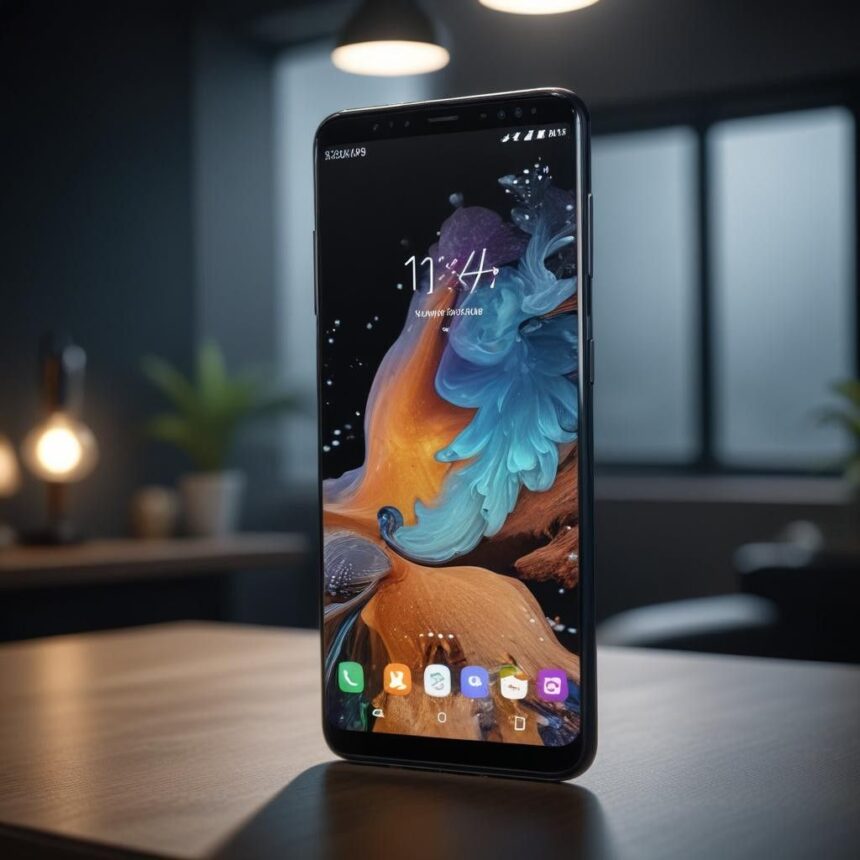
Strategic Shift: Silicon-Carbon Battery Integration in the Samsung Galaxy S27
The transition to Silicon-Carbon (Si/C) battery architecture represents a fundamental shift in mobile hardware strategy. By moving beyond traditional graphite-anode limitations, Samsung is prioritizing long-term device longevity and energy density to address consumer demand for extended hardware lifecycles and high-performance AI processing power.
Architectural Implications for Mobile Hardware
The integration of Silicon-Carbon anodes serves as a critical upgrade for modern mobile systems. Energy density is the primary beneficiary; by utilizing the higher theoretical capacity of silicon, engineers can pack more power into a smaller volume. This modular approach allows for thinner chassis designs without sacrificing the total milliamp-hour (mAh) capacity required to support power-intensive, on-device AI operations.
Thermal management is the secondary architectural benefit. Traditional lithium-ion batteries often experience significant internal resistance and heat generation during high-wattage charging cycles. Silicon-Carbon chemistry offers improved kinetics, allowing for more efficient ion transport. This reduces heat degradation, which is essential for maintaining the structural integrity of the battery over thousands of charge-discharge cycles.
Market and Sustainability Impact
- ESG Alignment: Longer chemical lifespans directly reduce the rate of device replacement, aligning with stringent EU e-waste and sustainability directives.
- Supply Chain Realignment: The shift away from graphite-heavy anodes requires a pivot in procurement strategies, favoring silicon-centric material suppliers and potentially disrupting existing commodity dependencies.
- Competitive Baseline: Samsung’s potential adoption forces a market-wide transition, effectively setting a new “minimum viable standard” for flagship battery health in the 2026-2027 product cycle.
Q: How does Silicon-Carbon technology extend the life of my phone?
A: Traditional lithium-ion batteries degrade as the graphite anode expands and contracts, causing microscopic fractures. Silicon-Carbon anodes are engineered to handle these structural stresses more effectively, resulting in less capacity loss over time and a healthier battery after three years of use.
Q: Will this technology make the Galaxy S27 charge faster?
A: Yes. Because Silicon-Carbon anodes facilitate better ion flow and generate less internal heat during high-load charging, the system can sustain higher charging wattages for longer durations, resulting in faster “top-ups” without compromising long-term battery health.
🛠️ Featured General Resources
“Quality research is supported by the right tools and systematic workflows.”
Amazon Global
Equip your workstation with professional-grade productivity tools.
Affiliate Disclosure: As an independent analyst, Aether-Flow may earn a commission from purchases made through these links. This supports our global news synthesis and keeps our research open to all.