




The Evolution of Bio-Identical Beauty: From Ancestral Fats to Marine Biotechnology
The global skincare sector is witnessing a pivot toward bio-identical ingredients. Consumers are abandoning synthetic lab formulations in favor of ancestral fats and marine-derived proteins, signaling a shift where skincare is treated as a core component of longevity and biological health protocols.
Radical Naturalism and the Rise of Ancestral Skincare
The modern luxury consumer has moved beyond traditional “clean beauty.” The current trend, often termed Radical Naturalism, prioritizes ingredients that mirror the body’s own biological makeup. Beef tallow, for instance, has gained significant traction because its lipid profile closely mimics human sebum, offering a restorative solution for skin barriers compromised by aggressive chemical peels and synthetic retinoids.
The Premiumization of Marine Biotechnology
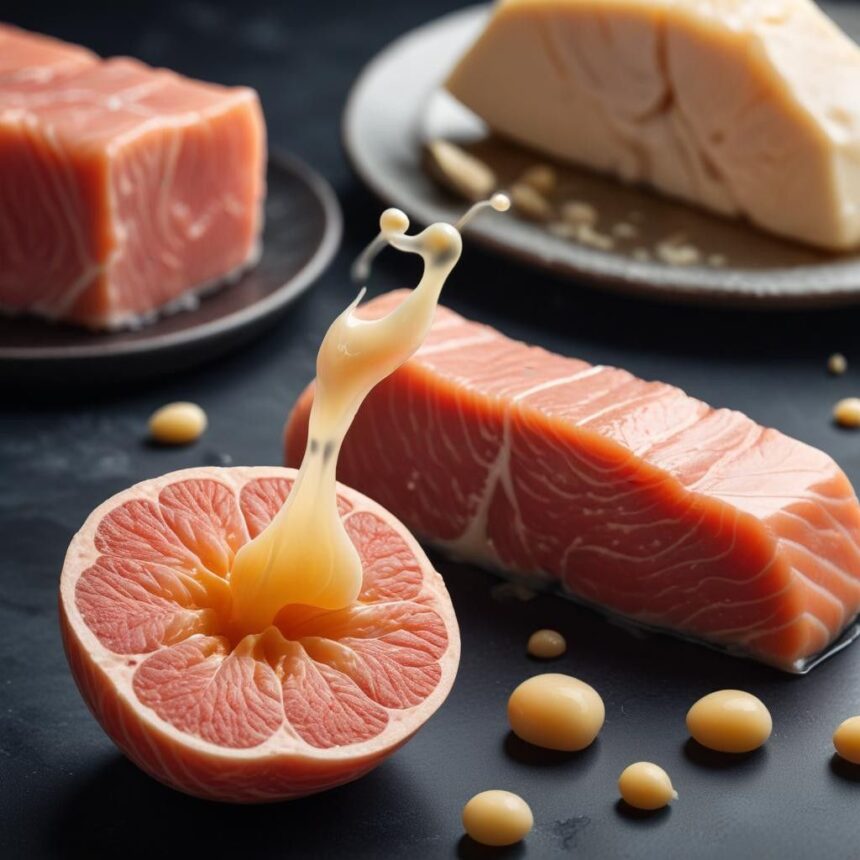
The most sophisticated shift is the integration of PDRN (Polydeoxyribonucleotide), derived from salmon sperm. By rebranding a byproduct of the fishing industry into a high-performance, regenerative molecule, brands are successfully positioning marine waste as a premium anti-aging intervention. This represents a broader movement toward circular beauty, where efficacy is found in the biological structures of nature rather than the synthesis of laboratory chemicals.
While bio-identical ingredients offer superior biocompatibility, they introduce a distinct logistical challenge: shelf-stability. Unlike synthetic compounds that remain inert for years, bioactive natural ingredients are inherently unstable. For the high-value market, this necessitates a move toward cold-chain logistics and small-batch manufacturing. Consumers should expect a shift in how luxury skincare is purchased—moving away from legacy retail shelves and toward high-end, temperature-controlled, direct-to-consumer models that prioritize ingredient integrity over long-term shelf life.
Is PDRN (Salmon Sperm) safe for all skin types?
PDRN is currently praised for its anti-inflammatory and regenerative properties. However, because it is a biological extract, individuals with specific fish allergies or extreme skin sensitivities should exercise caution. Always look for brands that provide third-party lab verification regarding the purity of their extraction process.
Why is beef tallow replacing synthetic moisturizers?
Tallow is favored for its high concentration of fat-soluble vitamins (A, D, E, and K) and its fatty acid composition. It functions as a bio-mimetic moisturizer, meaning it integrates into the skin’s natural lipid layer rather than sitting on the surface, making it an ideal choice for users seeking to repair damage from over-exfoliation.
What should I look for when buying “natural” skincare?
Prioritize brands that disclose their preservation systems. Because these products lack synthetic stabilizers, they require high-quality natural preservatives to prevent bacterial growth. Transparency regarding the harvest source and the cold-chain distribution process is the hallmark of a reputable, high-performance natural brand.
🛠️ Featured General Resources
“Quality research is supported by the right tools and systematic workflows.”
Amazon Global
Equip your workstation with professional-grade productivity tools.
Affiliate Disclosure: As an independent analyst, Aether-Flow may earn a commission from purchases made through these links. This supports our global news synthesis and keeps our research open to all.