




Strategic Implications of Oil Market Volatility
The Geopolitical Risk Premium
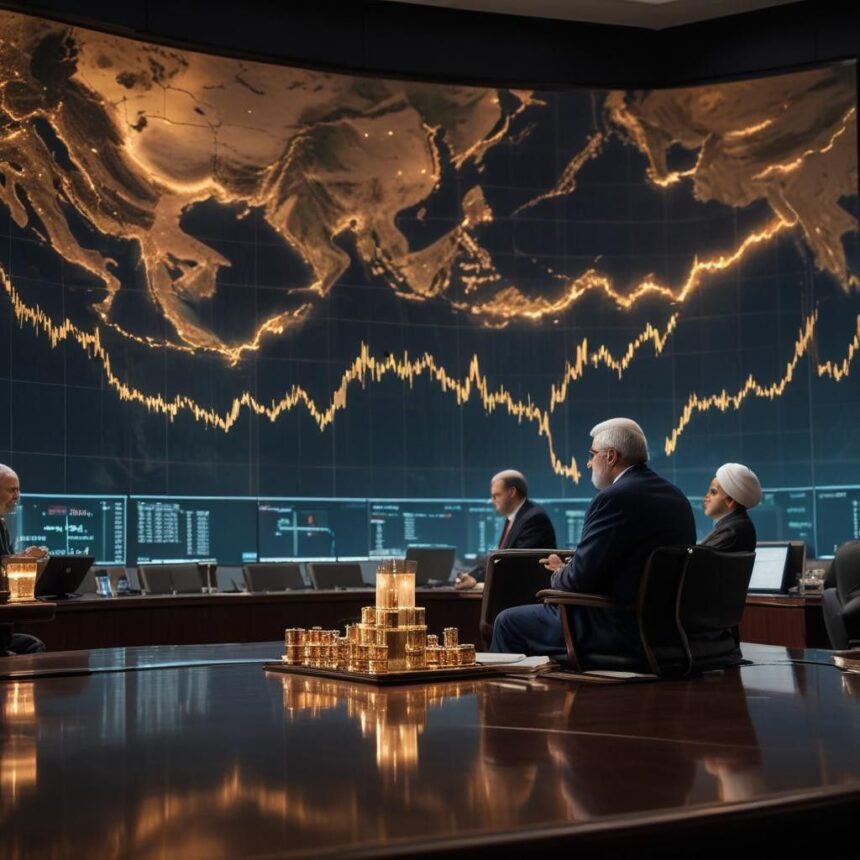
The current state of US-Iran relations serves as a primary driver of market sentiment. Because the Strait of Hormuz acts as a critical bottleneck for global energy distribution, any ambiguity in diplomatic progress forces markets to account for potential supply chain disruptions. This creates an immediate risk premium that elevates the price of oil, even in the absence of an actual physical supply shock.
Macroeconomic Ripple Effects
Energy costs function as the bedrock for global inflation metrics. When oil prices remain unstable, the effects are felt across multiple sectors:
- Monetary Policy: Sustained energy price elevation complicates the Federal Reserve’s inflation-targeting mandate, keeping interest rates higher for longer and increasing the cost of capital.
- Capital Rotation: Savvy investors are currently shifting from growth-oriented equities toward defensive assets, including gold and utility-sector holdings, to hedge against potential energy-driven volatility.
- Logistical Inflation: Rising fuel costs act as a hidden tax on consumer goods. High-end retail and luxury imports are particularly vulnerable to these transportation surcharges, which are increasingly passed on to the end consumer.
Q: How does this oil fluctuation impact the average investor?
A: It introduces volatility into the broader equity markets. Investors should monitor how energy costs impact their specific portfolio holdings, particularly in sectors with high transportation or manufacturing input costs. Diversification into commodities or energy-adjacent defensive stocks can act as a buffer.
Q: Is this volatility a long-term trend?
A: As long as geopolitical pathways remain undefined, the market will continue to price in a risk premium. Until there is a definitive resolution or a significant shift in energy supply chains, stakeholders should expect energy prices to react aggressively to news cycles concerning the Persian Gulf.
🛠️ Featured General Resources
“Quality research is supported by the right tools and systematic workflows.”
Amazon Global
Equip your workstation with professional-grade productivity tools.
Disclosure: As an Amazon Associate, Aether-Flow earns from qualifying purchases.