




Seismic Vulnerability and the Pacific Rim Strategic Landscape
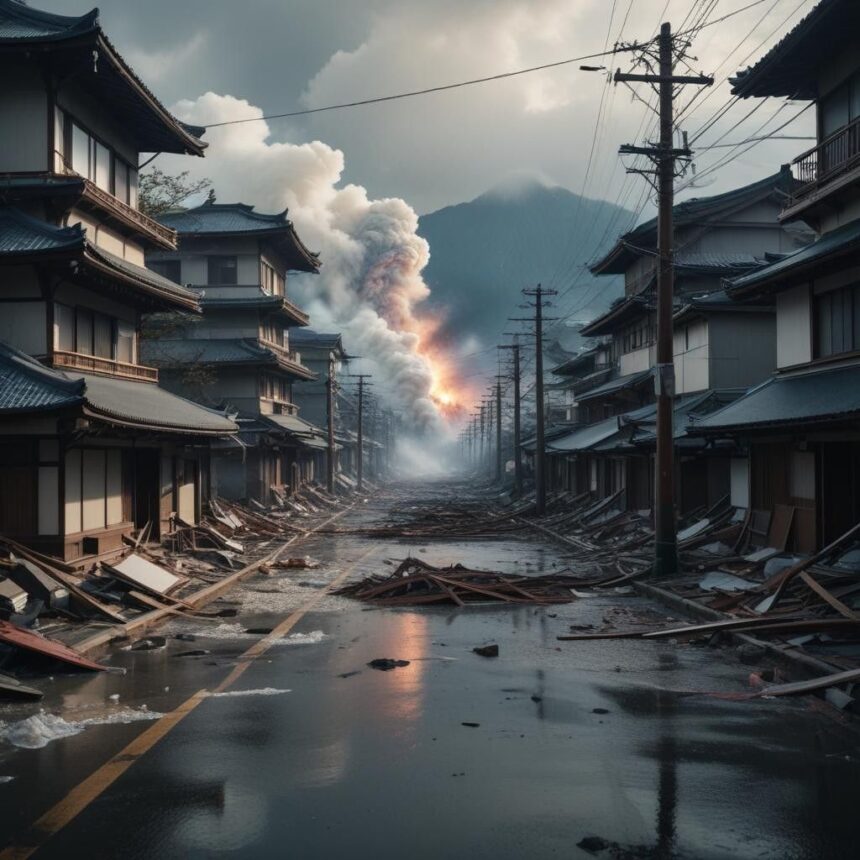
A 7.7 magnitude seismic event in Japan has triggered immediate tsunami warnings, placing the nation’s critical infrastructure and regional supply chains under intense stress. This incident highlights the persistent vulnerability of the world’s third-largest economy to natural disasters and the compounding risks of climate-induced volatility alongside tectonic instability.
Infrastructure Resilience and Global Supply Chain Dependencies
Japan remains the backbone of several high-tech manufacturing sectors, particularly in semiconductors and specialized automotive components. The immediate concern is the disruption to the ‘just-in-time’ delivery systems that sustain global production. When seismic activity compromises the physical infrastructure of the Kanto or Kansai regions, the ripple effects are felt across global markets within days.
Beyond immediate logistical delays, the event forces a re-evaluation of energy security. Japan’s reliance on nuclear and thermal power plants necessitates rigorous safety protocols that are constantly tested by tectonic shifts. Geopolitical observers are monitoring whether this event will accelerate the decentralization of manufacturing hubs away from disaster-prone archipelagos toward more stable continental regions.
At a macroscopic level, Japan serves as the global laboratory for disaster mitigation. The economic cost of these events is not merely the immediate repair bill; it is the sustained investment in ‘hardening’ national assets. As maritime tensions rise in the East China Sea, the ability of the Japanese Self-Defense Forces to maintain readiness during humanitarian crises becomes a critical variable in regional security calculations. A distracted or resource-strained Japan alters the power balance in the Indo-Pacific, potentially emboldening regional rivals who view domestic instability as a window of opportunity.
Does this seismic event signal a permanent shift in regional logistics?
While the immediate impact is operational, repeated seismic events catalyze a strategic shift toward ‘friend-shoring’ and the geographical diversification of supply chains. Corporations are increasingly factoring tectonic risk into their long-term cost-benefit analyses, favoring regions with lower geological volatility.
How does this affect Japan’s role in the Quad and Indo-Pacific security?
Japan’s capacity to act as a security anchor is tied to its internal stability. If domestic resources are diverted to long-term disaster recovery, it may limit Tokyo’s ability to participate in joint maritime patrols or regional defense initiatives, thereby creating a temporary vacuum in regional surveillance.
🛠️ Featured General Resources
“Quality research is supported by the right tools and systematic workflows.”
Amazon Global
Equip your workstation with professional-grade productivity tools.
Disclosure: As an Amazon Associate, Aether-Flow earns from qualifying purchases.