




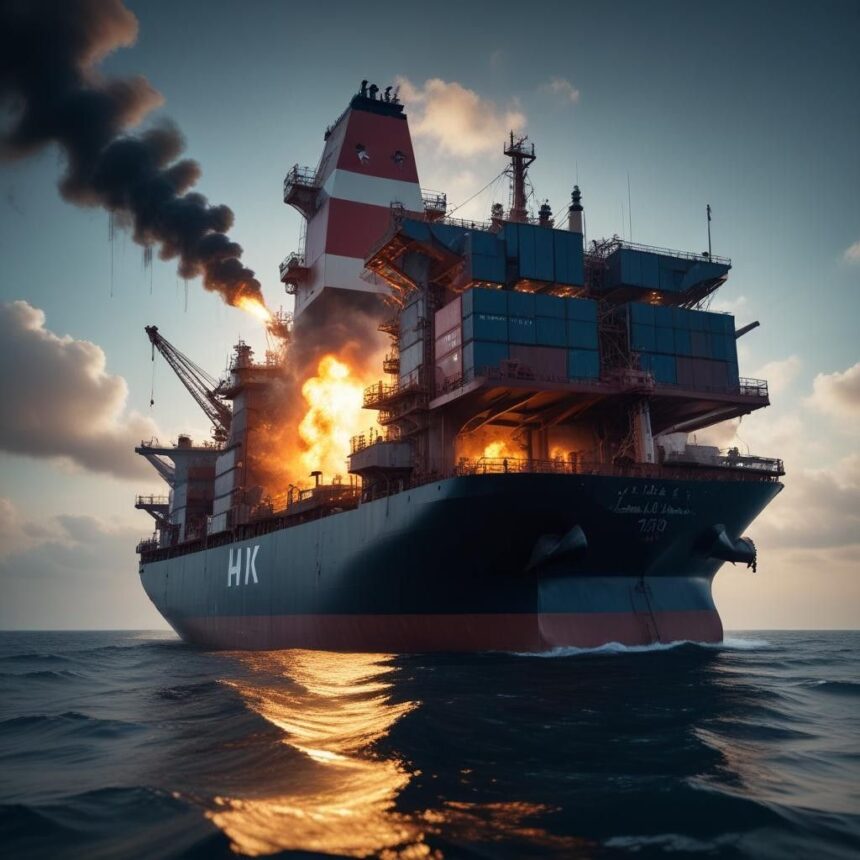
Geopolitical Volatility: Navigating the New Energy Risk Premium
The recent seizure of a vessel involving Iranian interests has triggered a market pivot, causing oil prices to surge while global equities retreat. For stakeholders, this marks an abrupt end to the optimism surrounding diplomatic de-escalation, signaling that energy supply chains remain highly sensitive to regional naval tensions.
Strategic Implications for Global Capital
The “Fear Premium” in Energy Markets is currently dictating short-term asset allocation. When diplomatic stability is perceived as fragile, capital flows aggressively away from growth-oriented equities toward safe-haven assets. Investors should note that this is not merely a commodity fluctuation; it is a repricing of systemic risk.
Persistent Inflationary Pressure remains a critical threat to the “soft landing” narrative. If maritime tensions persist, the resulting rise in transportation costs will force corporations to choose between margin compression or passing costs to the end consumer. This creates a “sticky” inflation environment, likely delaying anticipated interest rate cuts and impacting the cost of capital for both business expansions and consumer borrowing.
The most significant risk to the supply chain is not immediate, but rather the 30-to-60-day ripple effect. As shipping insurers increase premiums for vessels traversing volatile corridors, these costs are integrated into the retail supply chain. Global strategists should monitor maritime insurance rates as a leading indicator for consumer price index (CPI) adjustments in the coming quarter.
Operational Priorities for Stakeholders
- Hedging Strategies: Institutional portfolios should consider increasing exposure to energy-sector hedges to offset potential equity volatility in consumer-discretionary sectors.
- Supply Chain Resilience: Enterprises relying on international freight should stress-test logistics routes, accounting for potential rerouting and increased insurance premiums.
- Rate Sensitivity: Borrowers should prepare for a potentially extended duration of high-interest rates, as geopolitical shocks provide central banks with a rationale to maintain restrictive monetary policy.
Q: Why does a single ship seizure have such a profound impact on global markets?
A: The reaction is driven by “diplomatic equilibrium” sensitivity. Markets were previously pricing in a sense of security regarding regional stability. The seizure invalidates that assumption, forcing traders to re-evaluate the probability of a supply-side shock in vital shipping lanes like the Strait of Hormuz.
Q: Should consumers expect immediate price hikes?
A: While fuel prices may reflect the change almost instantly, the broader impact on consumer goods is typically delayed by 30 to 60 days. This is the time required for increased logistics and energy costs to permeate the manufacturing and retail supply chains.
🛠️ Featured General Resources
“Quality research is supported by the right tools and systematic workflows.”
Amazon Global
Equip your workstation with professional-grade productivity tools.
Disclosure: As an Amazon Associate, Aether-Flow earns from qualifying purchases.